Past program · Highlands of Chiapas, Mexico
Field Schools in Chiapas
More than a decade of collective impact projects with indigenous farming communities in the highlands of Chiapas, Mexico — clean-water initiatives, climate-focused agronomy education, and alternative income solutions.
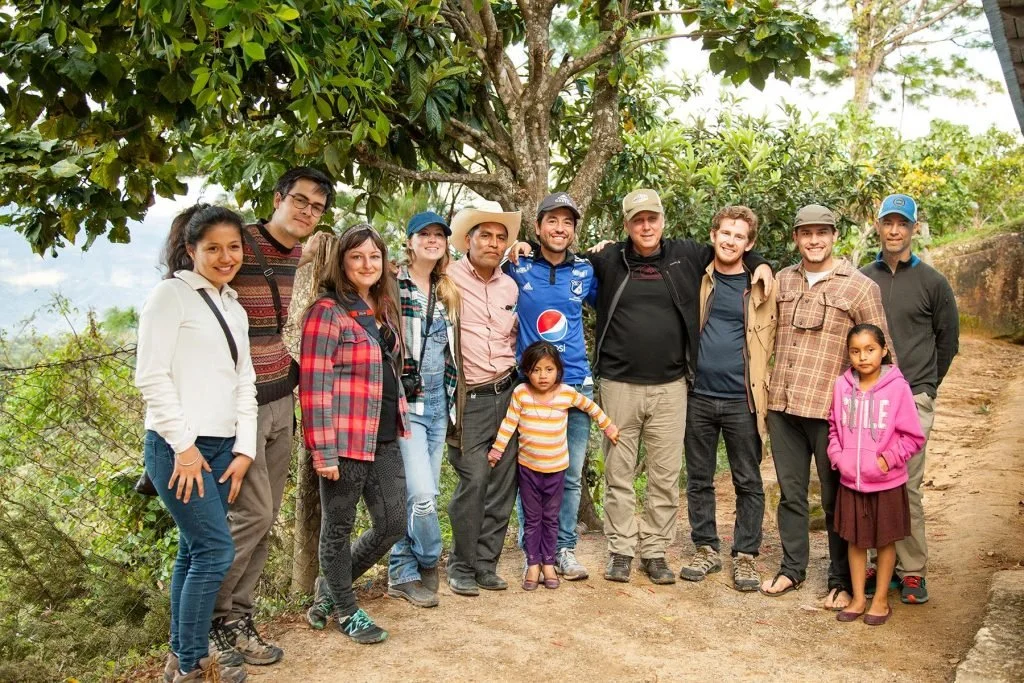
For more than a decade, On the Ground provided support for indigenous farming communities throughout Chiapas, Mexico. Over those years, that support came at the request of the communities themselves and through many kinds of projects.
The work provided over 5,200 chronically underserved people across 15 communities with access to clean water. Alongside funding physical water systems, latrines, and communal wash areas, On the Ground helped train local water committees — often composed of young, future community leaders — to maintain the projects and teach better sanitation practices.
Another key area of focus was Field School agronomy education, which supported farmer resilience in the face of climate change. On the Ground trained over 20 agronomy leaders who brought resilience solutions back to their own communities, where they were shared among farmers and applied to both coffee growing and local food production.
As the program wound down, the communities named the priorities they wanted to carry forward: first responder and paramedic training, electricity, and continued agronomy initiatives.
Final results
What this program delivered
- 5,200+
- People with new access to clean water
- 15
- Communities reached with water projects
- 20+
- Agronomy leaders trained in the last three years
- 10+ years
- Of partnership in Chiapas
How it works
Farmer field schools at Maya Vinic
On the Ground's Farmer Field Schools were hosted with the Maya Vinic coffee cooperative and run by local agronomists, with technical collaboration from the regional research institution ECOSUR. The model was deliberately horizontal: farmers tested methods on their own plots and taught their neighbors.
This program is part of our history
Explore where On the Ground is working today and how past community-led partnerships shaped our current programs.