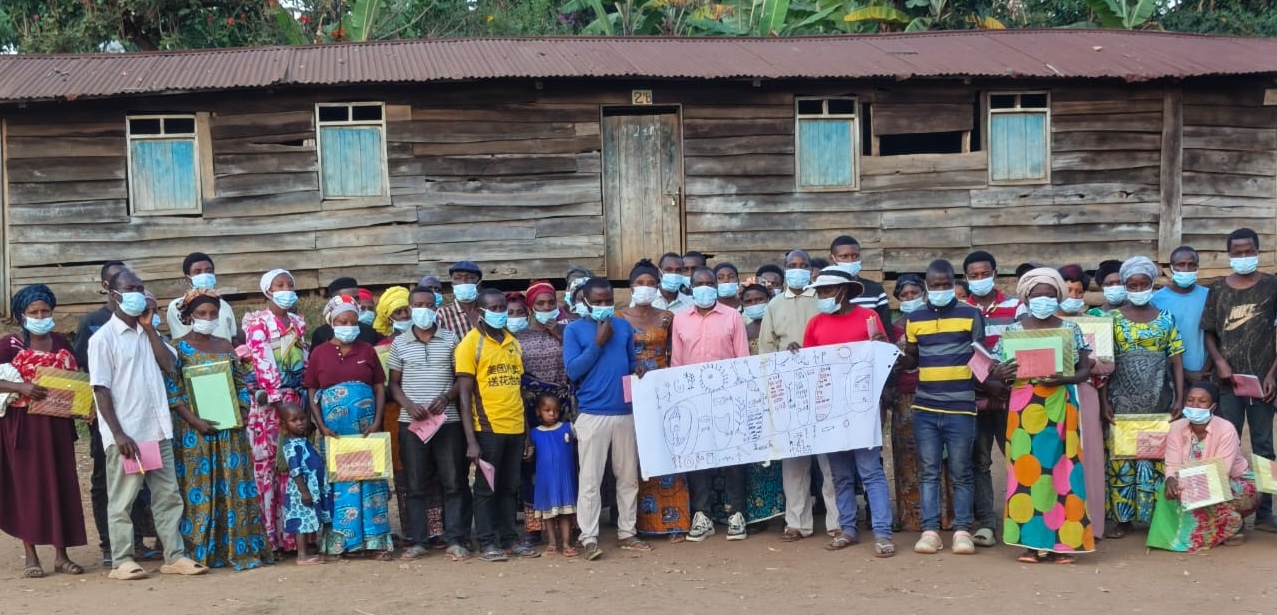
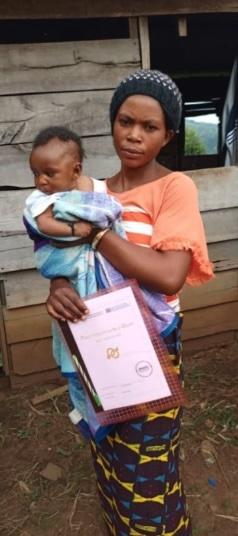
Women perform up to 80% of the labor on Congolese coffee farms yet hold only about 1% of the land. Women are undervalued, under-compensated and generally oppressed. Literacy and basic education opportunities are markedly lower for Congolese women. Few have an equal voice in basic household finances, and even fewer own property or hold leadership roles in local governments or coffee cooperatives. While they complete most of the coffee farming, their husbands usually control and spend the money earned from this work. On the Ground's gender equity work seeks to change this.
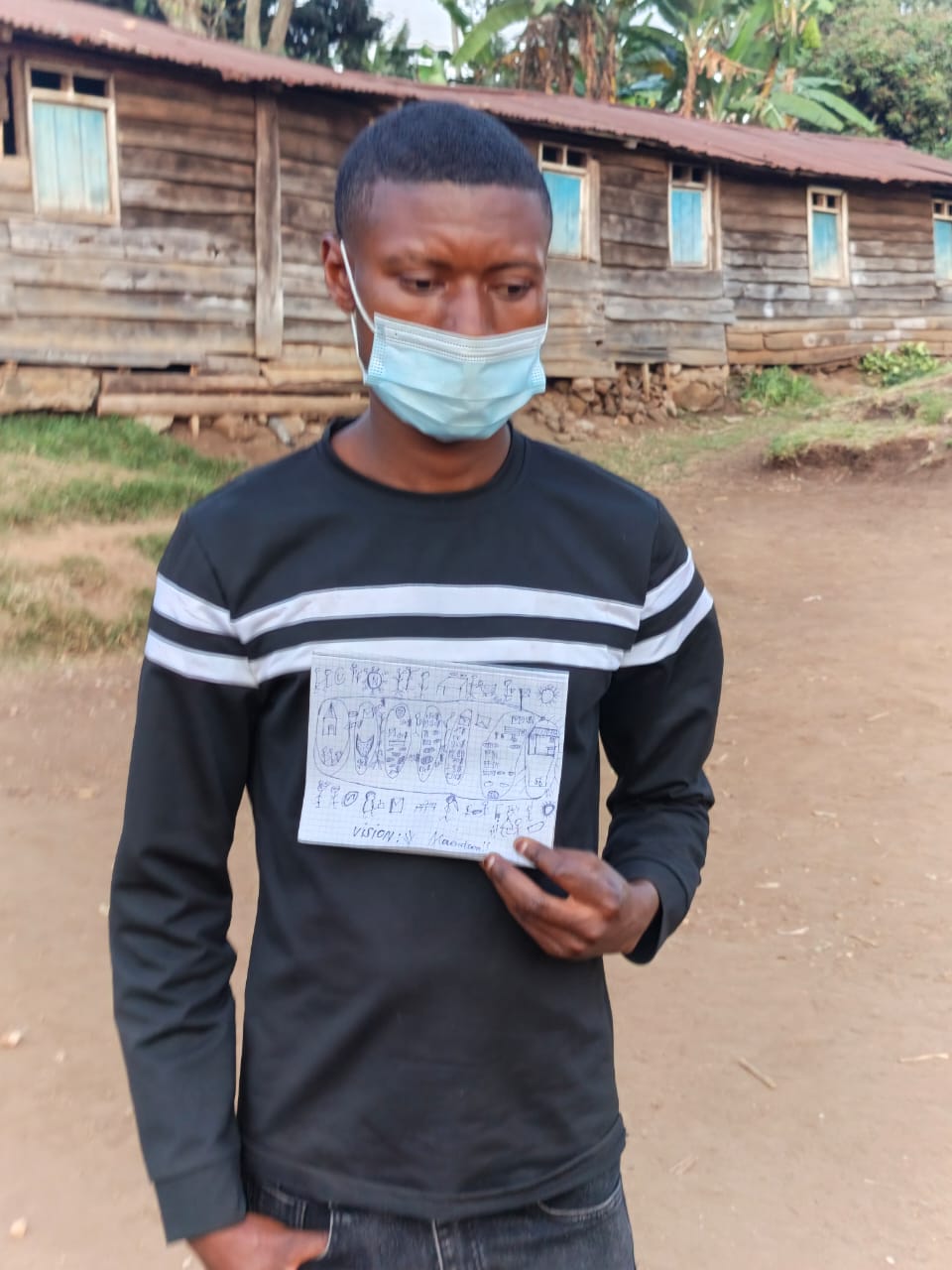
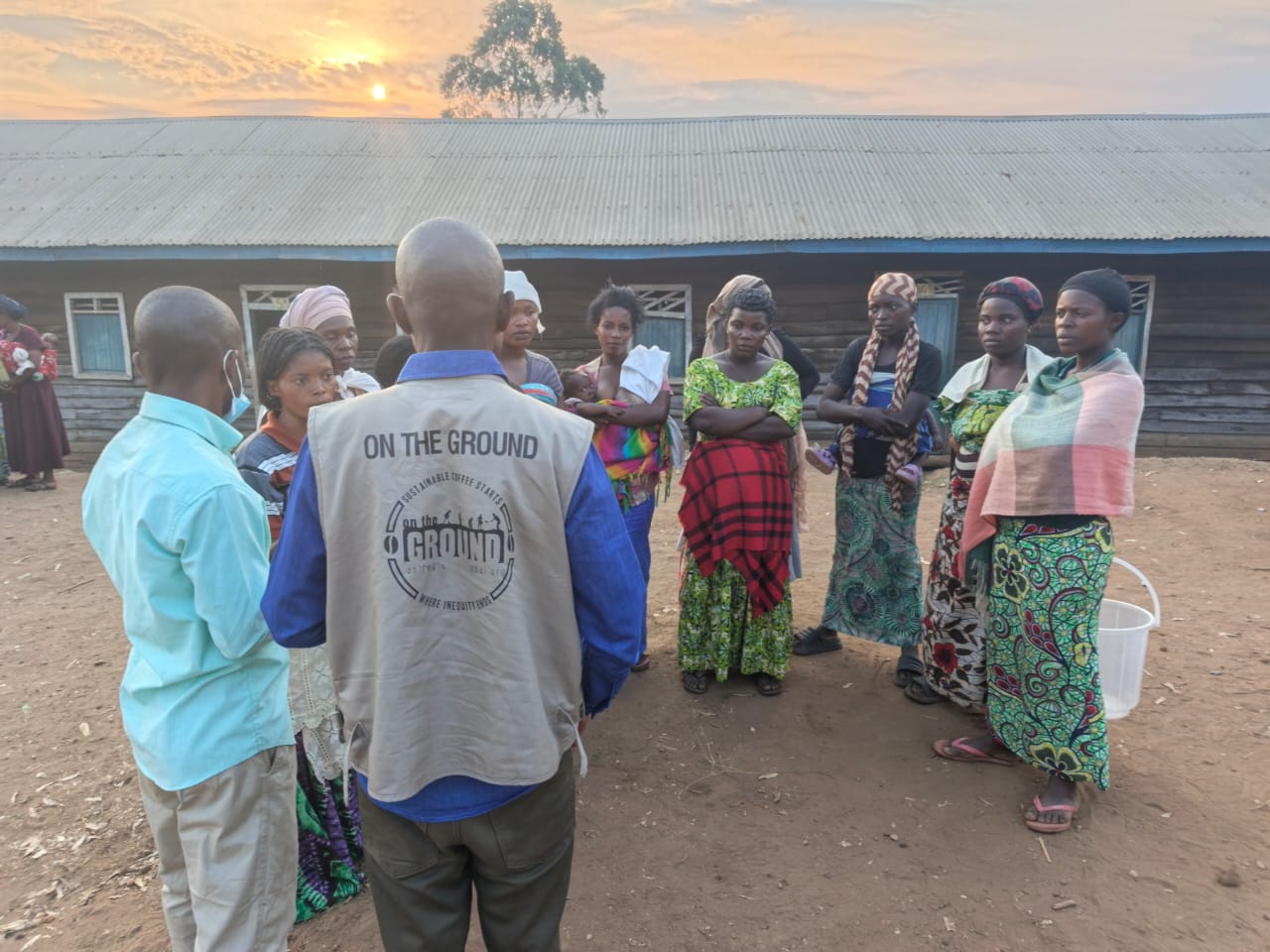
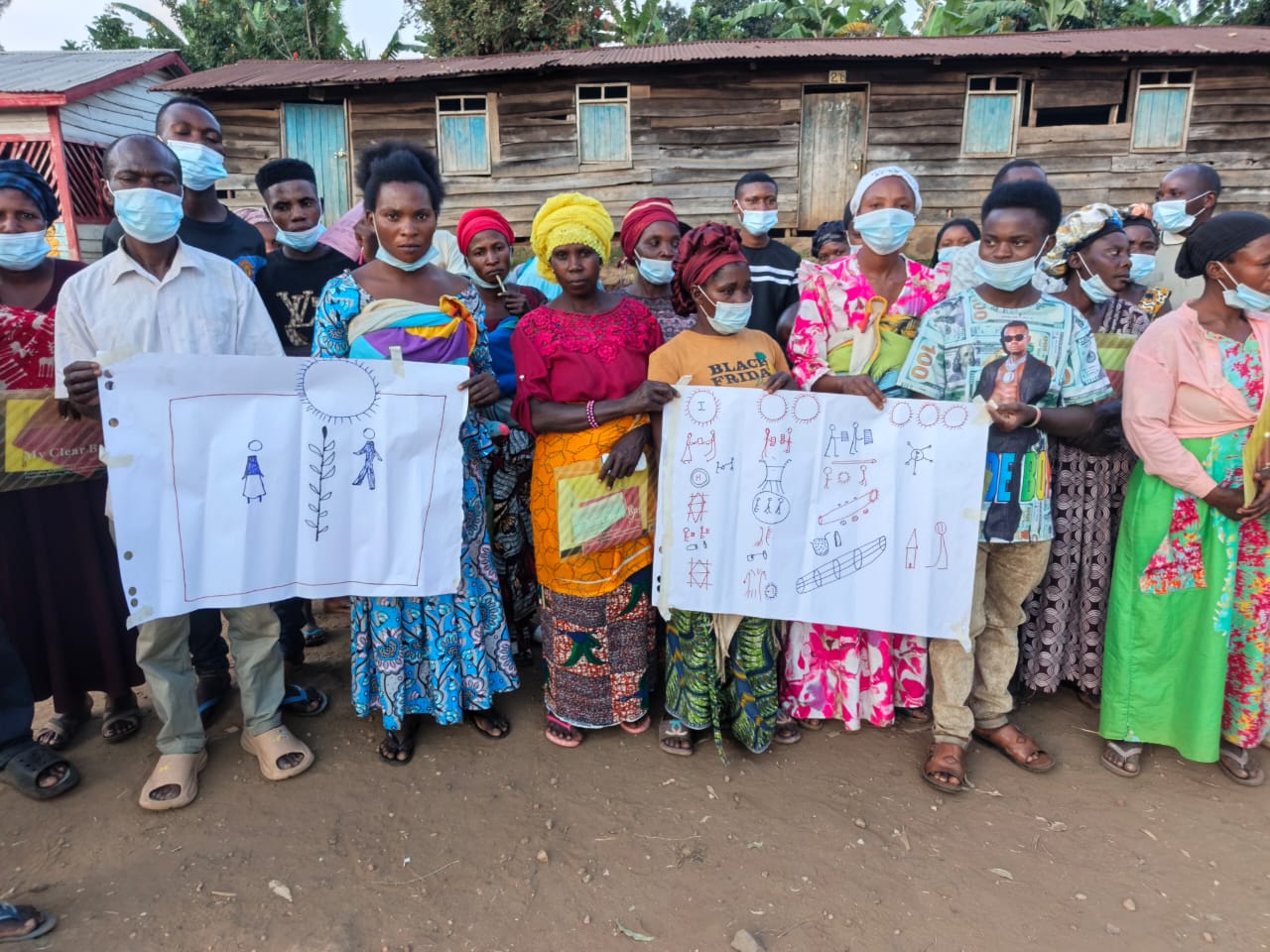
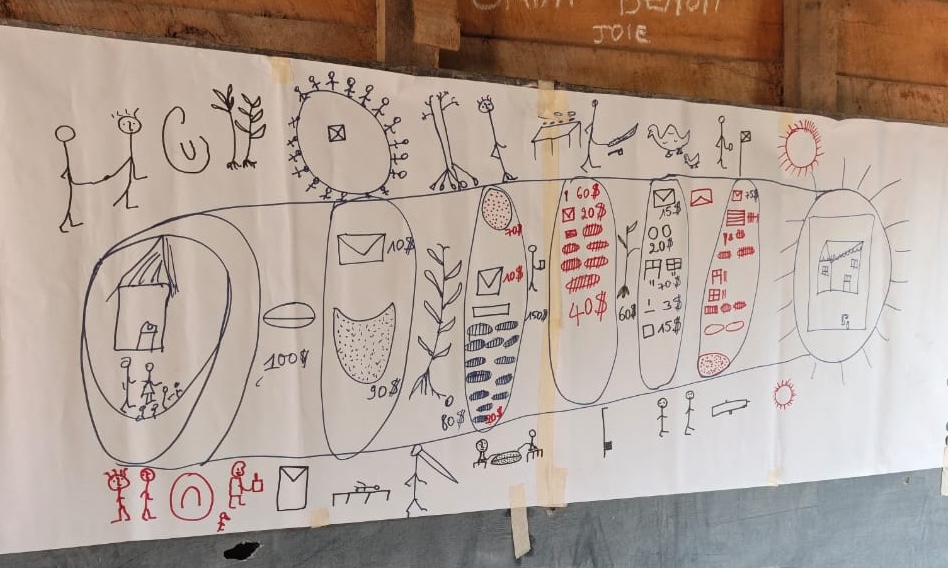
One crucial component is the Gender Action Learning System (GALS): a year-long schedule of workshops with women farmers and their husbands to plan together the management of their coffee farming activities, their finances, and all aspects of daily life in an equitable way — so that women hold the same power in decision-making as their husbands.
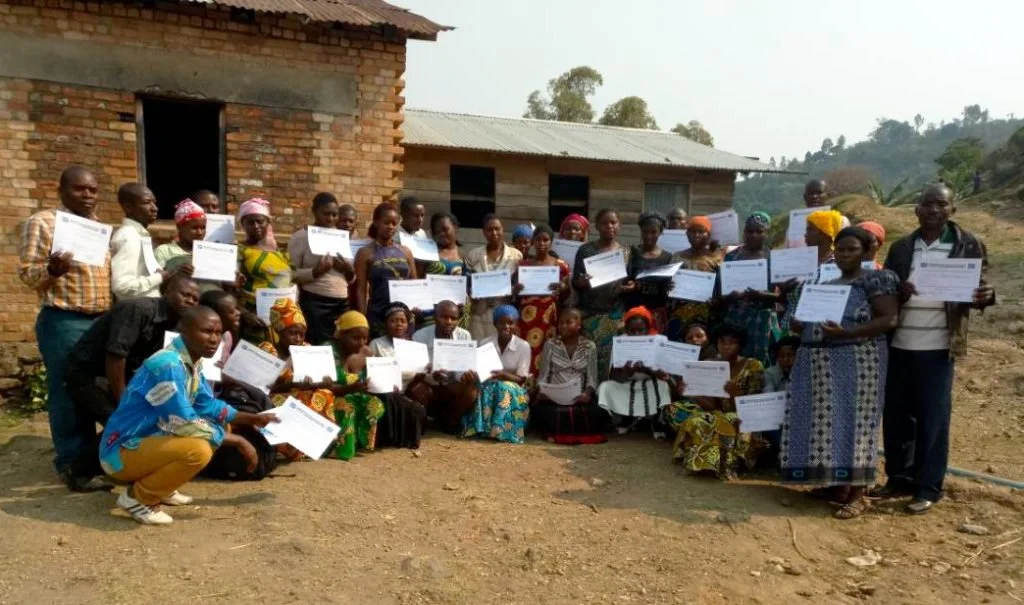
Since 2015, more than 3,000 people — roughly 1,500 couples — have graduated from the program, and each year the waiting list grows longer as word spreads through the communities. In 2017, at the direct request of coffee farmers, the program expanded to more communities and added three further activities alongside GALS: literacy and numeracy classes, savings and micro-lending groups, and income-generating trades, with gender-based violence prevention woven throughout.
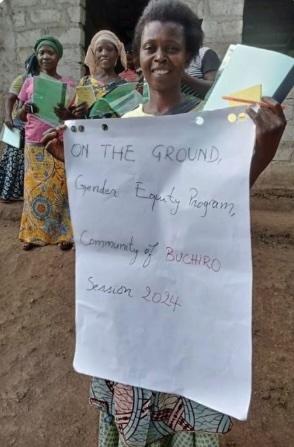
2026 marked the program's twelfth year, with the largest cohort yet: 270 women and their husbands across ten communities - Mbasha, Kiata, Bwisha, Bishange, Buchiro, Vomo, Karango, Ruhunde, Kiniezire and Mukwidja, an indigenous pygmy community. The work is delivered with the Muungano coffee Cooperative, which grew from 350 founding members in 2009 to more than 4,100 farmers today.