
Past program · Estelí, Nicaragua
Rebuilding Nicaragua's Coffee Fields
In 2012, a devastating epidemic known as la roya — coffee leaf rust — swept through Central America. For the women of the Las Diosas ("The Goddesses") cooperative in Nicaragua, the blight destroyed up to 80% of their coffee plants.
In response, On the Ground, in partnership with Just Coffee Cooperative, launched Project Nica: immediate relief, crop renovation, and long-term economic diversification to help these women farmers rebuild their farms.
Coffee rust (Hemileia vastatrix) attacks the leaves of the coffee bush, preventing photosynthesis and eventually killing the plant. Though present in the region since the 1970s, the outbreak that began in 2012 was unprecedented, driven by rising temperatures and irregular rain patterns. Across the region, nearly 400,000 coffee workers lost their jobs, and with coffee plants taking three to four years to mature, families faced a desperate gap in income.
Las Diosas is a network of community-based cooperatives run entirely by women in the department of Estelí. It emerged from Fundación Entre Mujeres (La FEM), an organization dedicated to the ideological, economic, and political empowerment of rural women in northern Nicaragua. Its members contend not only with the environmental crisis but with unequal access to land titles and credit; many are single mothers.
It's been a huge blow. It's affected us so heavily that we still don't know what we can do.
Final results
What this program delivered
- 65,000
- Seedlings distributed to cooperative members by mid-2016
- 20 tons
- Organic fertilizer produced by the women to restore soil health
- 16–20
- Women per community attending weekly training sessions
- 70,000+
- Seedlings planted in the San Pedro nursery over the program
How it works
Crop renovation and nurseries
To save the harvest, dead plants had to be replaced with rust-resistant varieties, and seedlings had to be raised close to where they would be planted.
- Funded rust-resistant varieties including Java, Catuai, and Geisha
- Established nurseries in San Pedro and in base communities such as El Colorado and Dipilto, reducing seedling mortality from transport between altitudes
- Distributed approximately 65,000 seedlings to cooperative members by mid-2016
Technical assistance and education
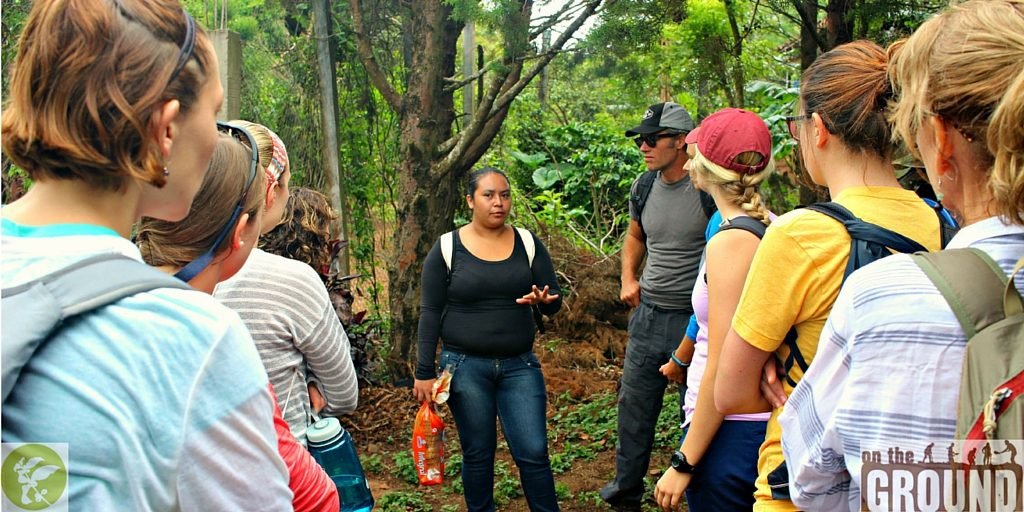
Funds hired internal technical assistants — Belmalin Rivas and Sebastiana Murillo, young women from within the cooperative trained in agronomy — who visited cooperatives weekly to teach members how to produce organic fertilizers and mineral treatments using copper sulfate, zinc, and magnesium to nourish soil and fight the fungus.
Diversification and food security
So families could survive the years while new coffee plants matured, the project supported economic diversification.
- Household gardens with fruit trees, bananas, cabbage, and avocados
- Pigs, chickens, Rosa de Jamaica (hibiscus), and chia as alternative income
- Barcode registration for Las Diosas' roasted coffee and jams, opening Nicaraguan supermarket sales
This program is part of our history
Explore where On the Ground is working today and how past community-led partnerships shaped our current programs.